
On July 7, 2007, Machu Picchu was officially recognized as one of the New 7 Wonders of the Modern World, following a worldwide voting campaign in which more than 100 million people participated through an online poll. The announcement was made by the New Open World Corporation (New7Wonders), placing this extraordinary Inca sanctuary among the greatest cultural and architectural achievements in human history.
Bernard Weber, founder of the New Open World Corporation, expressed his admiration for Machu Picchu, highlighting the incredible vision, creativity, and engineering skills of the Inca civilization. He described his first encounter with the ancient citadel as an unforgettable experience, explaining that the spectacular terraces and stone structures built into the steep mountainside left him truly amazed. The entire New7Wonders team shared this feeling of wonder. He also emphasized that the remarkable preservation of its houses, courtyards, and the sacred Intihuatana stone reflects the advanced knowledge of the Incas, particularly in astronomy, agriculture, architecture, and engineering.
Today, Machu Picchu continues to inspire millions of visitors from around the world, standing as a timeless symbol of Peru’s rich cultural heritage and the extraordinary legacy of the Inca civilization.
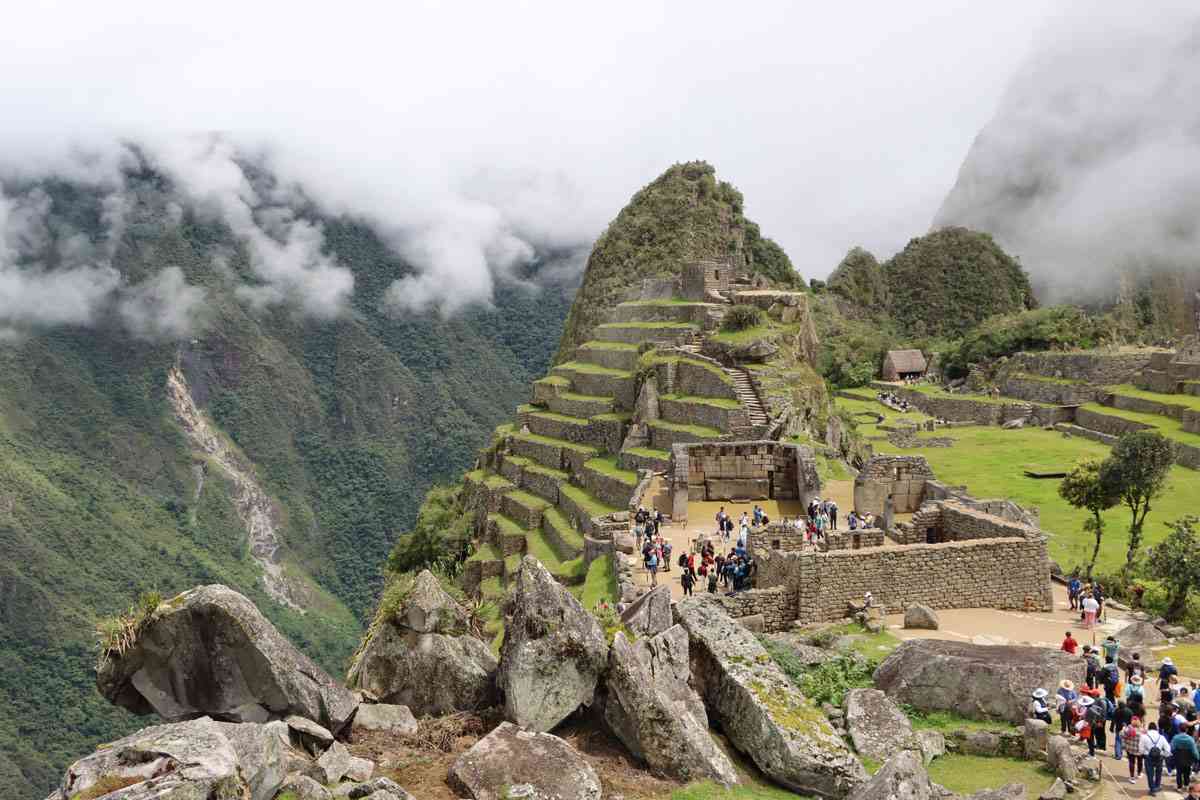
Why was Machu Picchu chosen as one of the Wonders of the World?
In 2007, Machu Picchu received worldwide recognition as one of the New Seven Wonders of the World. This prestigious distinction was a result of its exceptional historical legacy, cultural richness, architectural achievements, and extraordinary natural surroundings. Several remarkable features make this ancient Inca citadel truly unique.
Remarkable Inca Architecture and Engineering
Machu Picchu is a perfect example of the impressive construction techniques developed by the Inca civilization. Its stone buildings were carefully assembled using precisely cut blocks that fit together without mortar, demonstrating an extraordinary level of craftsmanship. The agricultural terraces, ceremonial structures, temples, and sophisticated water channels also reveal how the Incas successfully adapted their architecture to the challenging mountain landscape.
A Fascinating Historical Legacy
Dating back to the 15th century, Machu Picchu is believed to have been built during the reign of the Inca emperor Pachacuti, possibly serving as a royal residence or ceremonial retreat. Although its exact purpose remains a subject of historical research, the site’s eventual abandonment and its international recognition following Hiram Bingham’s arrival in 1911 have made it one of the most fascinating archaeological discoveries in the world.
Deep Cultural and Spiritual Meaning
Beyond its architectural beauty, Machu Picchu reflects the spiritual beliefs and worldview of the ancient Incas. Many of its structures demonstrate a close relationship with the sun, mountains, and other elements of nature. The site’s orientation and astronomical features highlight the importance of celestial observations in Inca society. Even today, Machu Picchu remains a place of great cultural and spiritual significance, representing the enduring heritage of the Andean people.
Breathtaking Scenery and Harmony with Nature
One of the most extraordinary aspects of Machu Picchu is its spectacular location in the heart of the Andes Mountains. Surrounded by towering green peaks, deep valleys, and dramatic cliffs, the ancient city blends beautifully into its natural environment. The way the Incas incorporated their buildings and agricultural terraces into the surrounding landscape demonstrates their remarkable respect for and understanding of nature.
A Wonder That Continues to Inspire the World
Machu Picchu earned its place among the New Seven Wonders of the World thanks to its exceptional architecture, fascinating history, deep cultural significance, and breathtaking natural setting. More than just an archaeological site, it is a lasting symbol of Inca ingenuity and Peru’s cultural heritage. Today, it continues to captivate travelers from every corner of the globe, offering an unforgettable journey into the history and spirit of the ancient Andes.
